
THE RALLY REPORT
106 STRONG: THE RALLY FOR HISTORY, CULTURE, AND SOVEREIGNTY
November 9, 2026 | United States Capitol | Washington, D.C.
An Extraordinary Day. An Enduring Commitment.
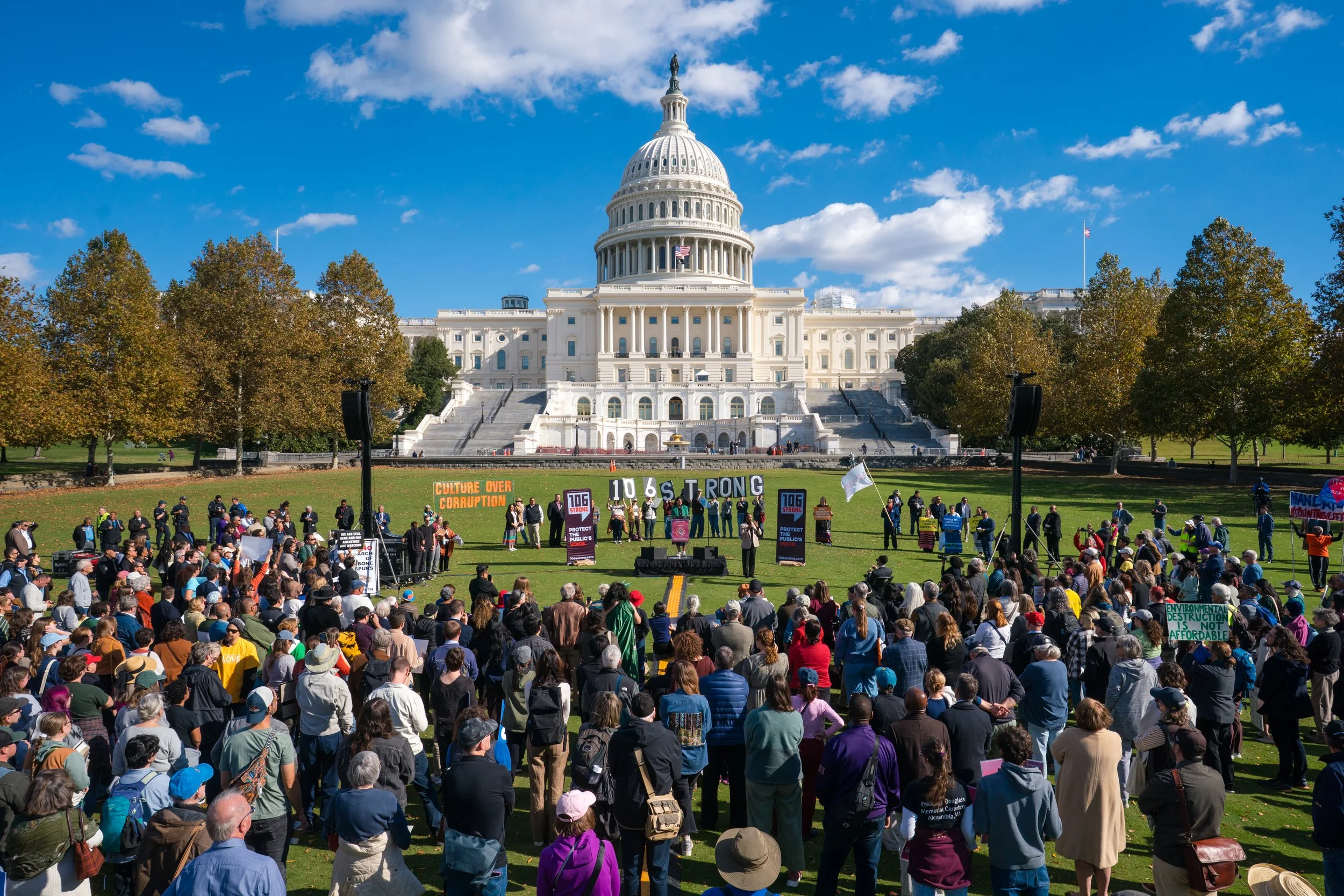
Tribal leaders, civil rights advocates, preservationists, historians, architects, community leaders, and Americans from across the country joined in a national rally to defend our history, culture, sovereignty, and right to be heard. Read the full recap and access the photos and film below!
RALLY SPEAKERS
-
![]()
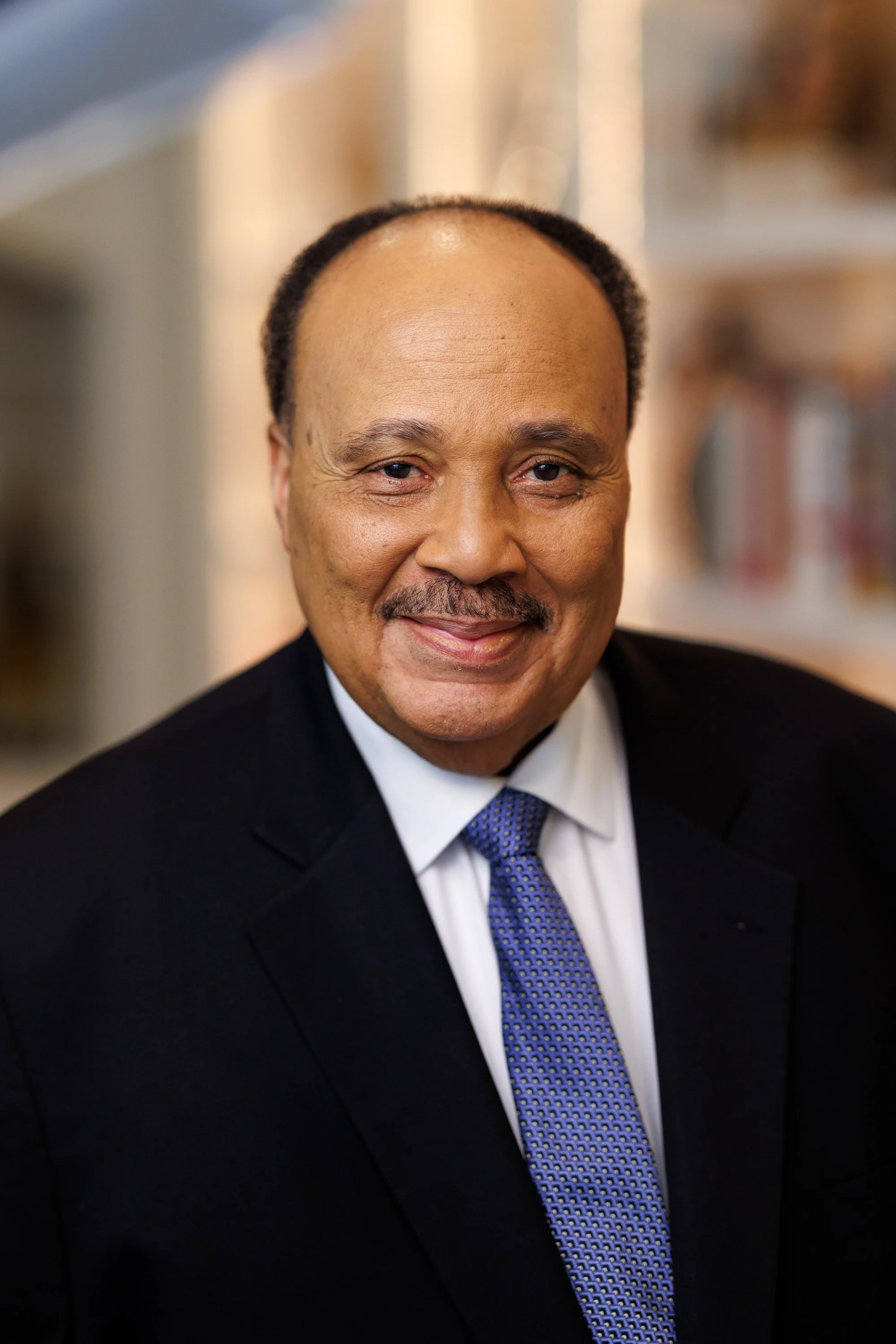
Martin Luther King III, Chairman, Drum Major Institute
-
![]()
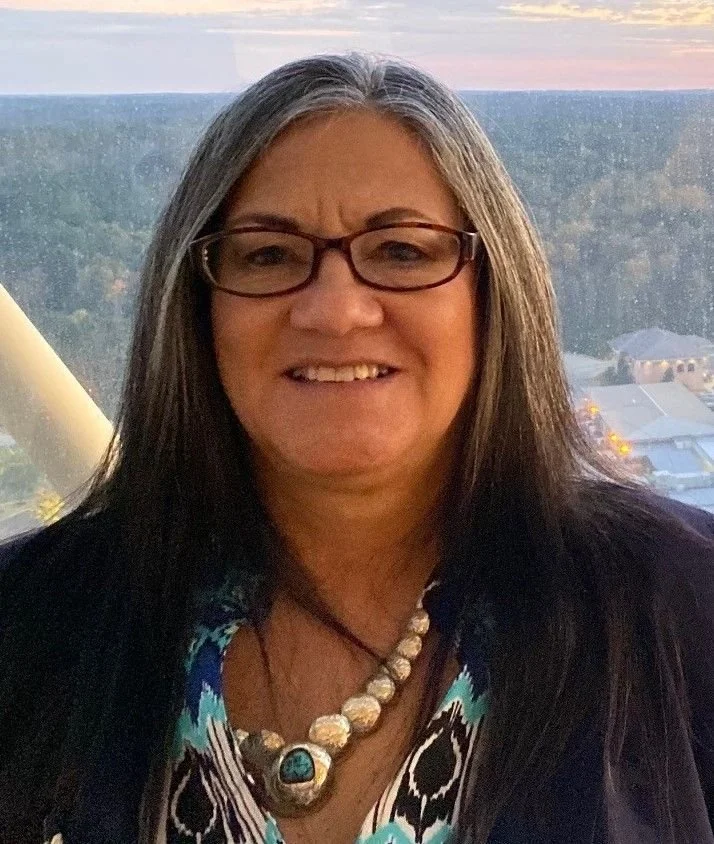
Chief Anne Richardson, Rappahannock Tribe
-
![]()
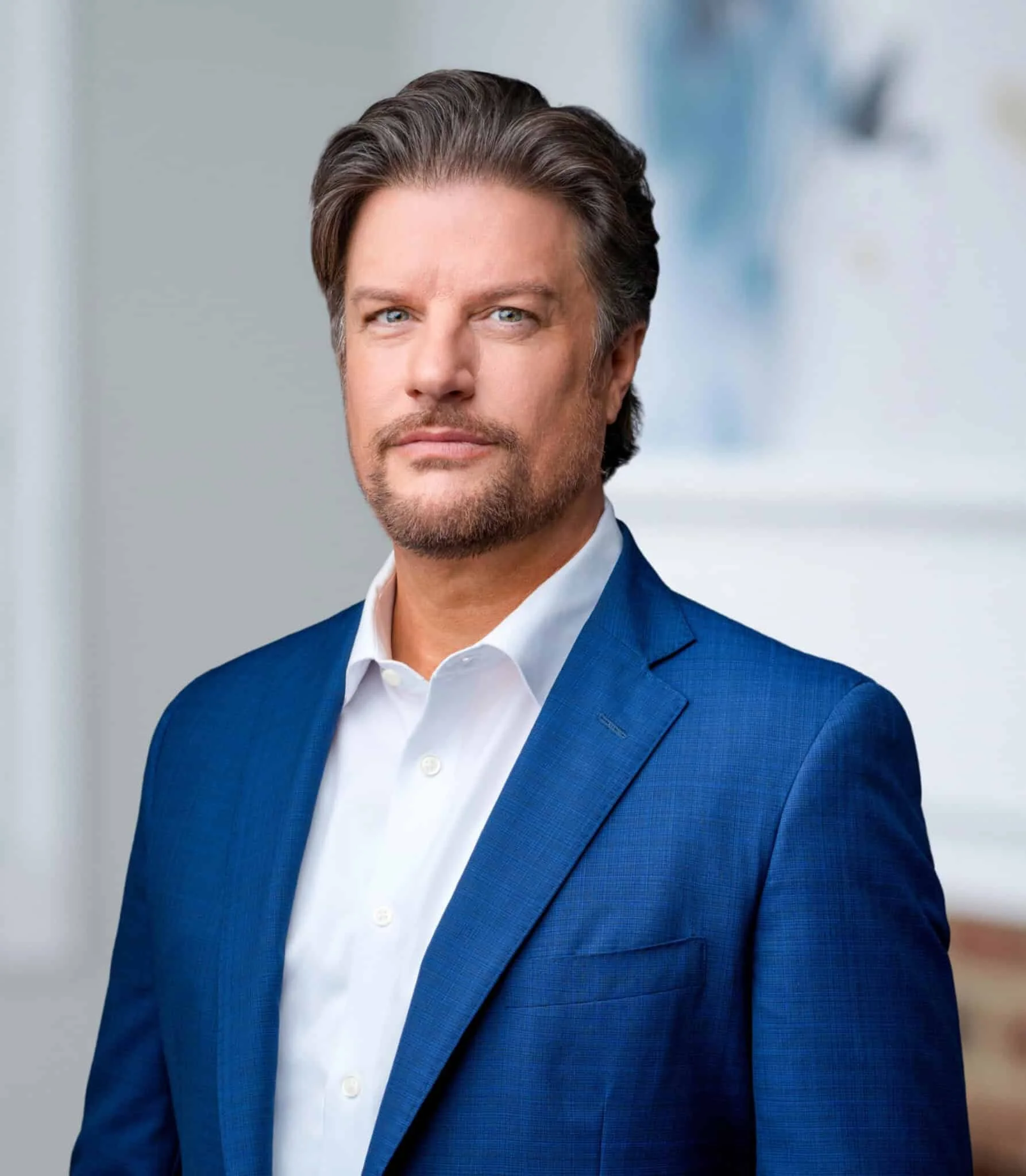
Greg Werkheiser, Attorney, Cultural Heritage Partners; 106 Strong Coalition lead
-
![]()
Congresswoman Adelita S. Grijalva (AZ)
-
![]()
Mary Means, Founder of the Mainstreet revitalization movement
-
![]()
The All Pueblo Council of Governors
-
![]()
Dr. Vedet Coleman-Robinson, President and CEO, Association of African American Museums
-
![]()
Rebecca Miller, Executive Director, DC Preservation League
-
![]()
Charles Alan Birnbaum, President and CEO, The Cultural Landscape Foundation
-
![]()
Yiselle Santos Rivera, Incoming President, American Institute of Architects
-
![]()
Torey Carter-Conneen, CEO, American Society of Landscape Architects
-
![]()
Dr. Brian Daniels, President, the Archaeological Institute of America
-
![]()
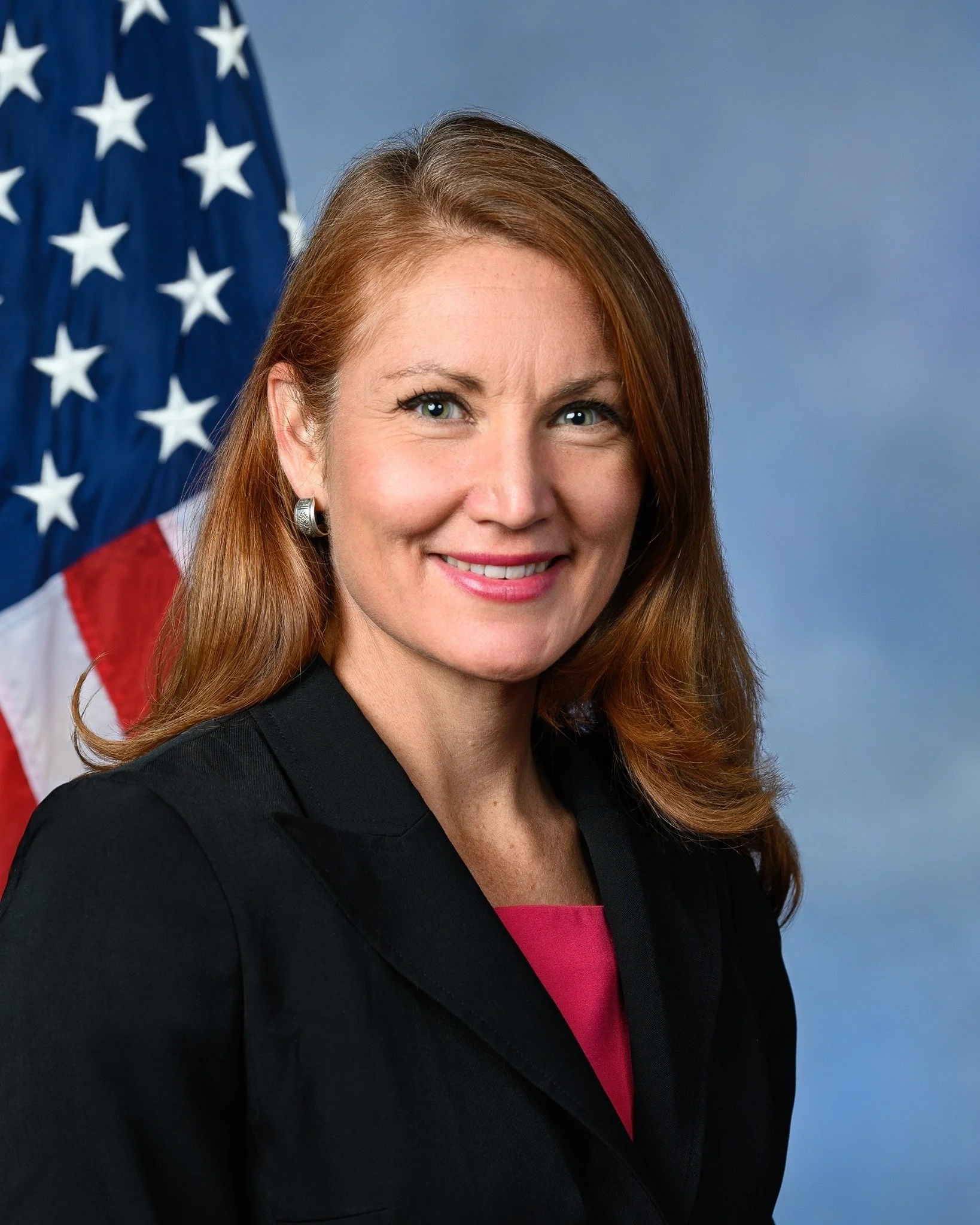
Congresswoman Melanie Stansbury (NM)
-
![]()
Chairman Leonard Forsman, Suquamish Tribe
-
![]()
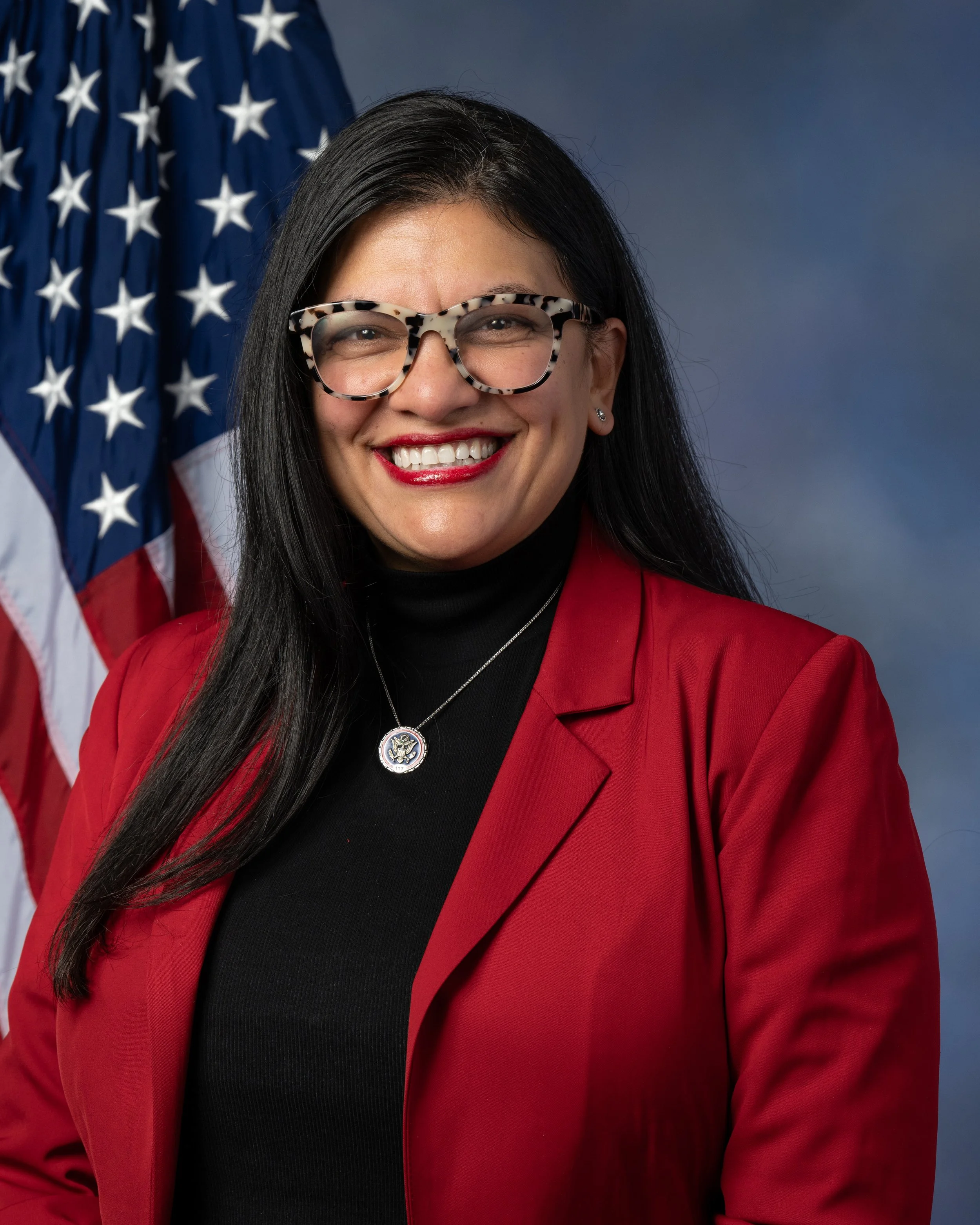
Congresswoman Rashida Tlaib (MI)
-
![]()
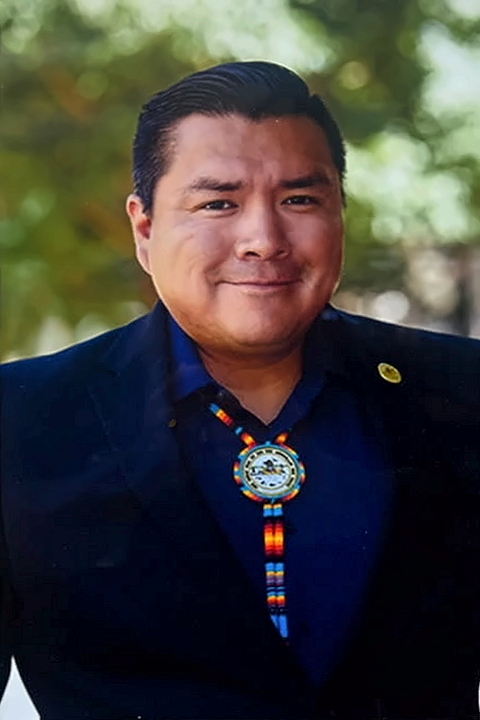
Conrad Jacket, Ute Mountain Ute Council Member
-
![]()
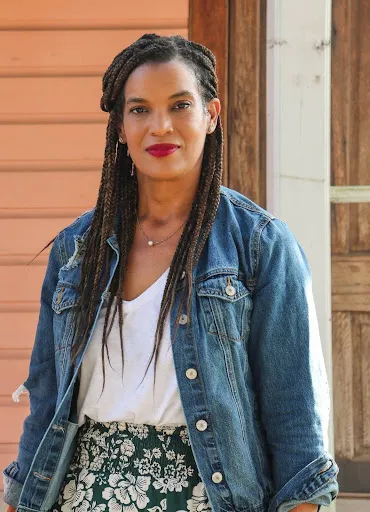
Dr. Joy Banner, Co-Founder, The Descendants Project
-
![]()
A. Prince Albert III, Founder, The Culture Keepers Circle
-
![]()
Congressman Jared Huffman (CA)


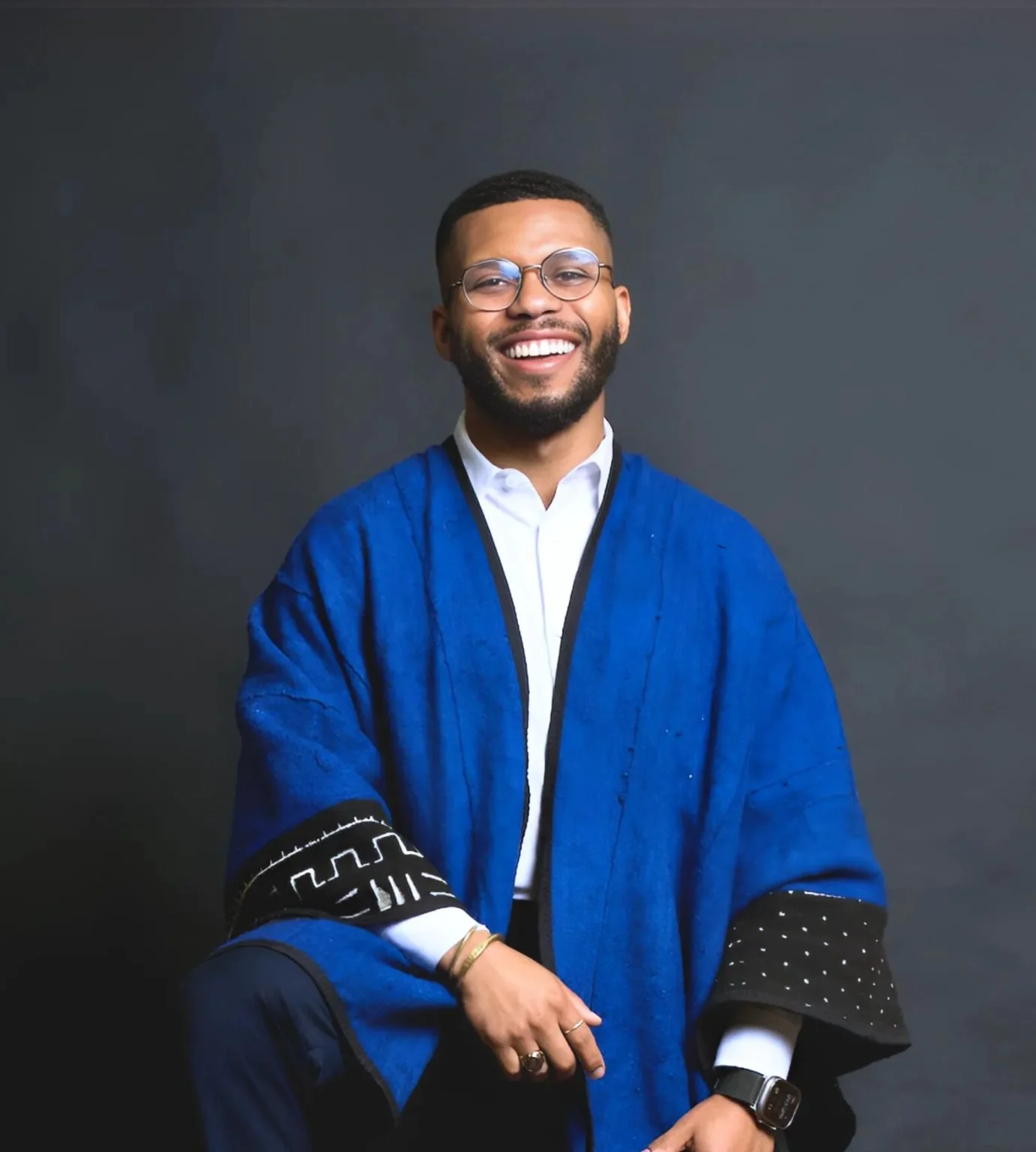
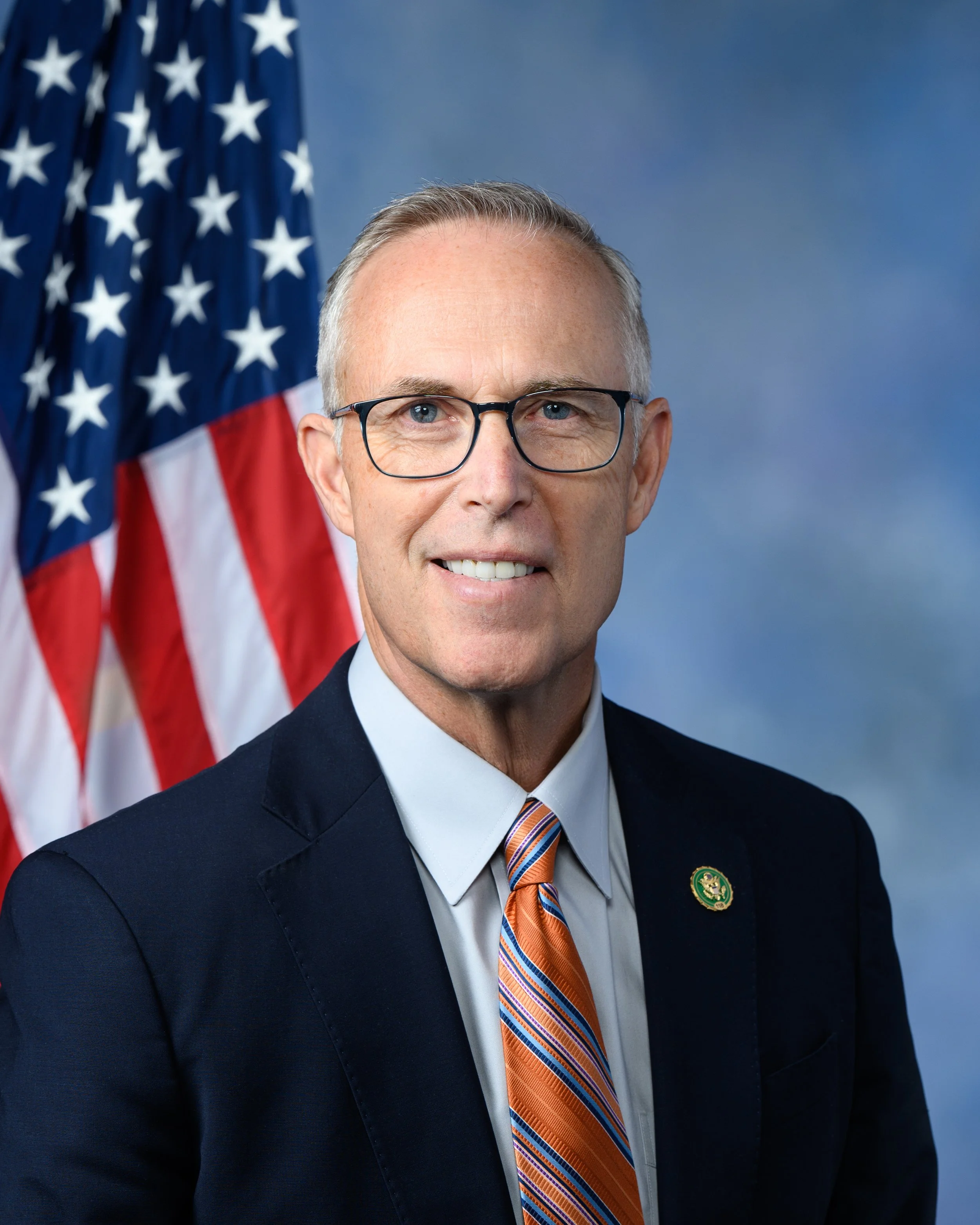
On November 9, hundreds of Americans gathered on the West Front Lawn of the United States Capitol to stand together for the places, histories, and cultures that define our nation.
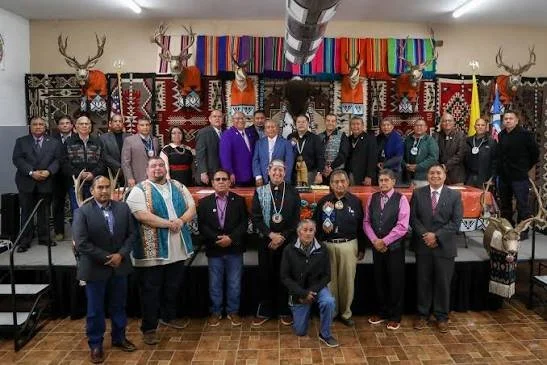
Representatives of more than 100 Tribal Nations joined Martin Luther King III, national preservation and civil rights leaders, and advocates from across the country for 106 Strong: The Rally for History, Culture, and Sovereignty.
They came from different communities, professions, political traditions, and walks of life. They came to defend a simple principle: The American people deserve a voice before their government damages or destroys the places that tell our stories.
The rally took place on the eve of a consequential congressional debate over the future of Section 106 of the National Historic Preservation Act—the landmark law that, for sixty years, has required federal agencies to consider the effects of their actions on historic and sacred places and consult with Tribal Nations and communities before making decisions.
But the day was about more than defending a law. It was about the people and places that law protects—and the extraordinary national movement rising to defend them.
Watch the Rally Film: Everyday People, Extraordinary Places
The voices, images, and spirit of November 9 are captured in Everyday People, Extraordinary Places, a short film documenting the rally and the growing national movement to protect America's cultural heritage.
Voices from the Capitol
Martin Luther King III
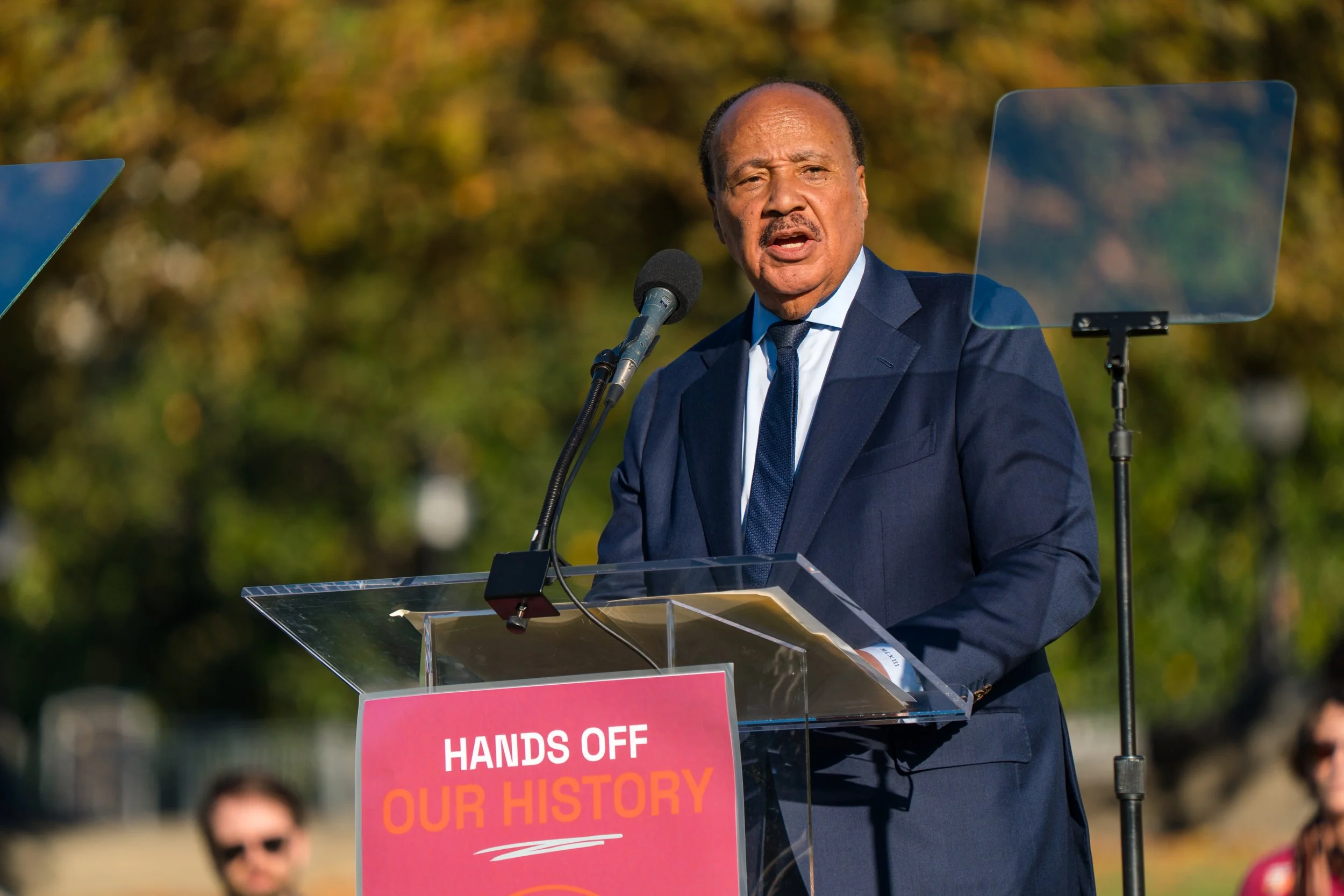
Martin Luther King III delivered the rally's keynote address, connecting the defense of historic and sacred places to the larger American struggle for justice, dignity, and democracy.
His message underscored that the places where history happened are more than reminders of the past. They are sources of understanding, identity, and wisdom for the generations that follow.
Greg Werkheiser
The Wisdom We Inherit. The Future We Choose.
Greg Werkheiser, cofounder of Cultural Heritage Partners and a coordinator of 106 Strong, welcomed the gathering and delivered closing remarks calling on Americans to recognize the wisdom held in historic places—and their responsibility to protect it.
His remarks challenged participants to see themselves not simply as defenders of history, but as people writing the next chapter of America's story.
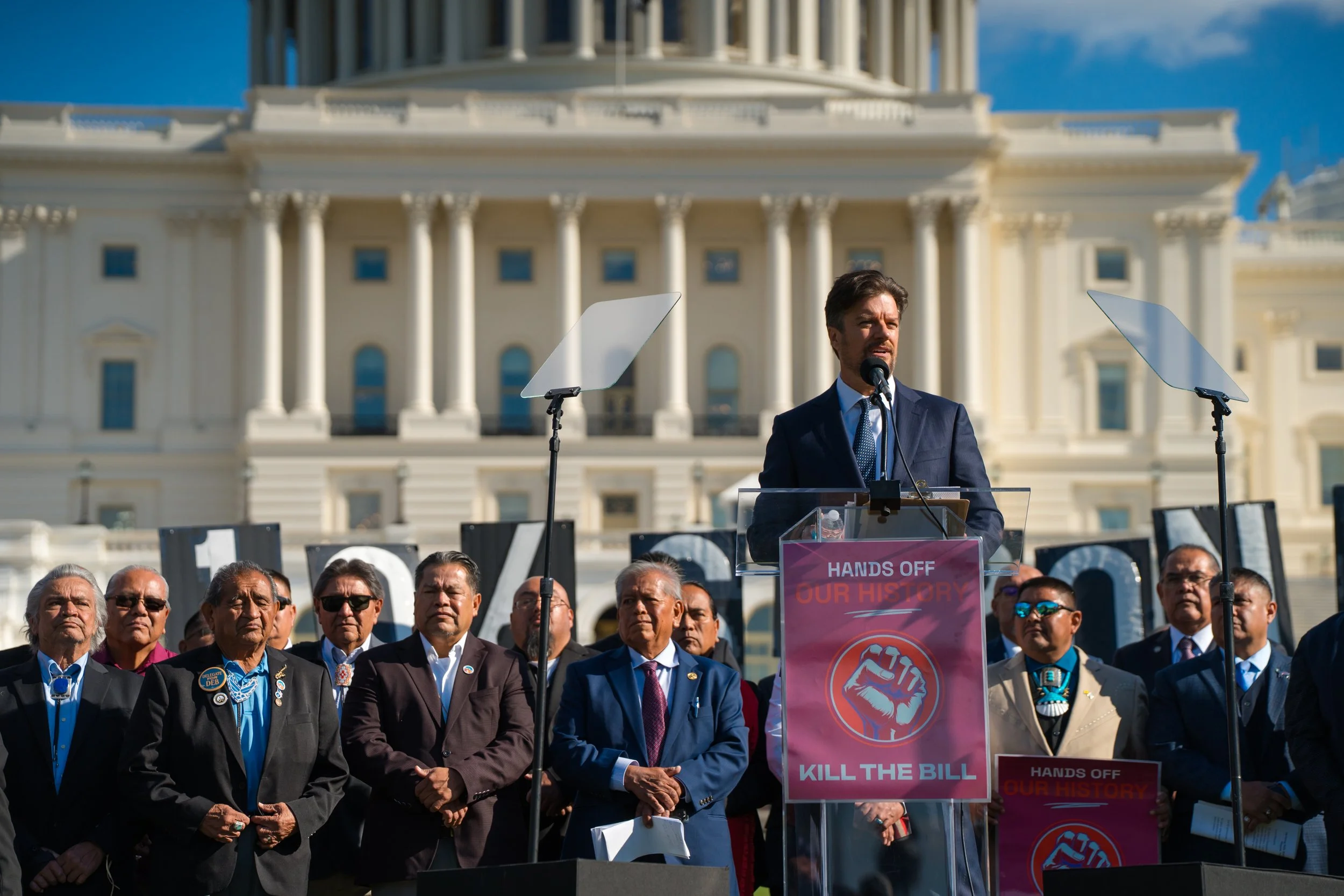
The Day in Pictures
One Capitol. Many Communities. One Shared Purpose.
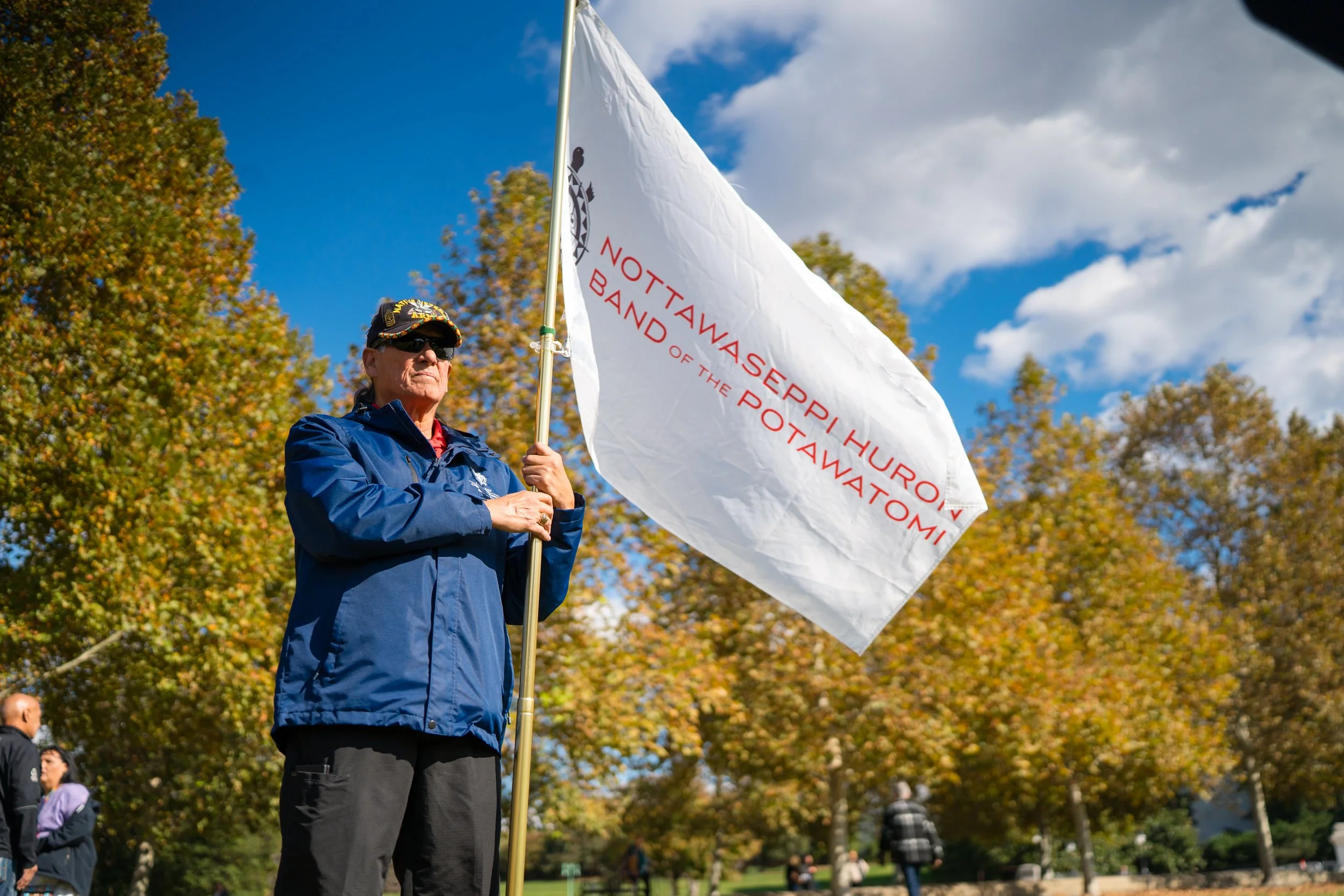
From Tribal leaders standing together on the Capitol lawn to hundreds of advocates carrying their message to Congress, November 9 was a powerful demonstration of the breadth and determination of the 106 Strong movement.
From the Capitol Lawn to the Halls of Congress
The rally was only one part of a larger day of action.
Before and after the gathering, coalition members visited congressional offices, delivered information about the proposed changes to Section 106, and urged lawmakers to protect meaningful consultation, public participation, Tribal sovereignty, and accountability.
The day demonstrated what 106 Strong had built in just a matter of weeks: a national coalition of more than 1,350 Tribal Nations and organizations, united by a shared commitment to protecting America's irreplaceable historic and cultural places.
The Senate subsequently passed the Bipartisan American Affordability and Jobs Act on November 19, despite opposition from Tribal Nations, preservation organizations, and communities across the country. The fight now continues in the House of Representatives, in federal agencies, in the courts, and in communities nationwide.
The Rally Was a Beginning, Not an Ending.
November 9 demonstrated that the defense of America's history and culture belongs to all of us.
The people who gathered at the Capitol returned home to different states, communities, and Tribal Nations. But they carried a common commitment: to ensure that the next generation inherits not only the places that tell America's story, but also the right to have a voice in their future.
The rally is over. The movement is growing. The work continues.