
the LATEST
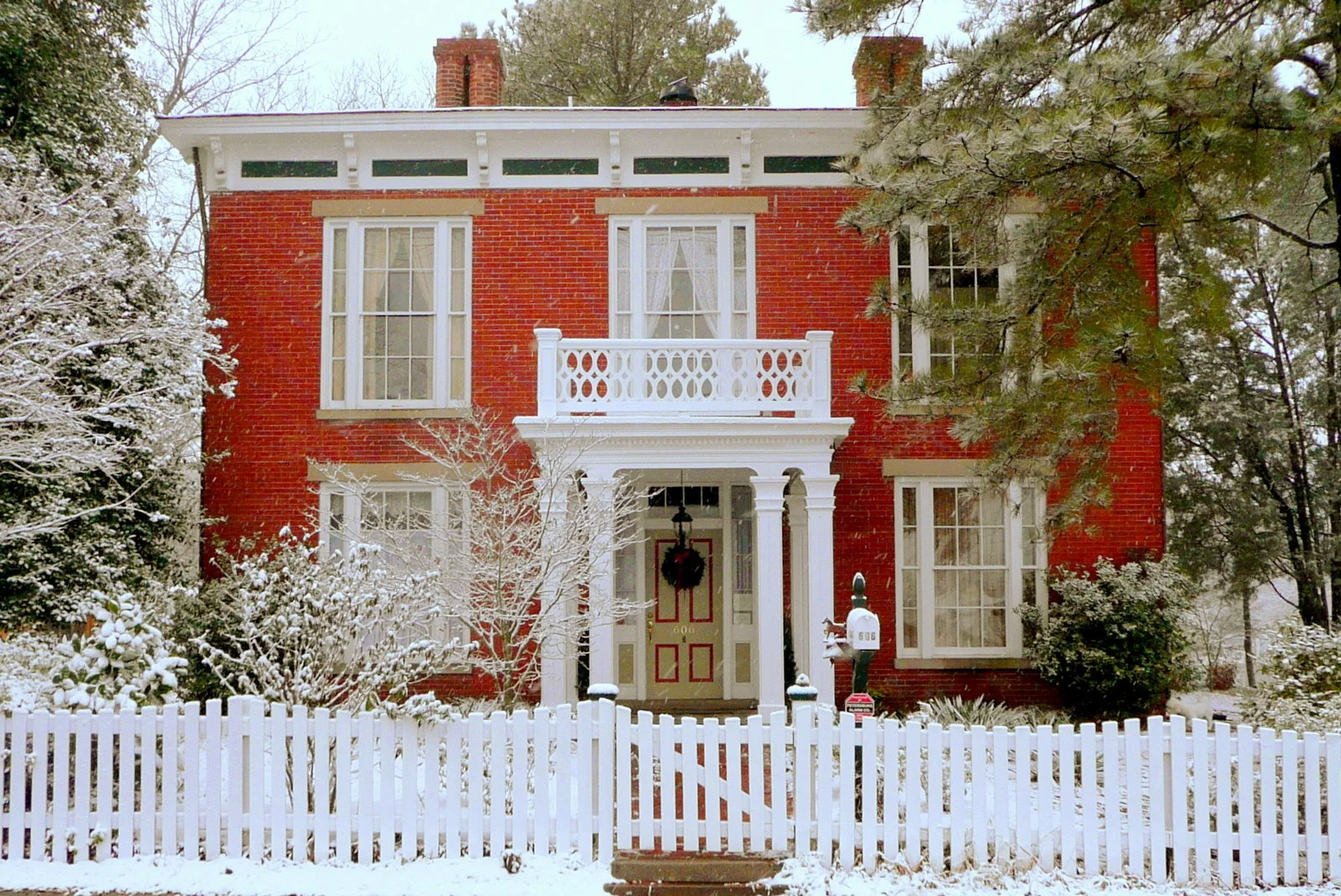
Sutherland House, a home on the National Register of Historic Places, which will receive fewer protections from harm or demolition under proposed regulatory weakening of Section 106.
The threats to Section 106 are moving quickly. We intend to move even faster. Here you can follow the Coalition’s work, read coverage of the national campaign, track the regulatory, legislative, and executive threats, and find the latest opportunities to act.
For campaign announcements and urgent action alerts delivered directly to you, sign up for updates and follow the Coalition on social media.
recent Updates
SENATORS HEINRICH AND WHITEHOUSE JOIN REPUBLICANS TO STRIP SAFEGUARDS FOR TRIBAL SACRED SITES AND AMERICA’S HISTORIC PLACES
106 Strong Coalition, representing more than 800 Tribal Nations and organizations and 8 million Americans, calls the deal a betrayal of communities the senators pledged to defend
WASHINGTON, DC — Senators Martin Heinrich (D-NM) and Sheldon Whitehouse (D-RI) have joined Senators Mike Lee (R-UT) and Shelley Moore Capito (R-WV) in releasing a permitting bill that would make a farce of federal historic preservation law as we know it, stripping essential protections for Tribal sacred places, burial grounds, historic neighborhoods, and public landmarks. The bill undermines the entire purpose of historic preservation review: to identify properties that a project could harm and to provide the public a voice. The 106 Strong Coalition is calling on the senators to withdraw provisions that would give federal agencies and developers greater license to damage these places while reducing public participation and restricting remedies for unlawful approvals.
The legislation would rewrite and significantly weaken Section 106 of the National Historic Preservation Act, the 60-year-old bipartisan law requiring federal agencies to identify historic places, consult with Tribal Nations and affected communities, consider alternatives, and seek ways to avoid, minimize, or mitigate harm before federal undertakings move forward. The process applies to federally permitted or funded pipelines, mines, transmission lines, data centers, highways, and other infrastructure projects.
“Senators Heinrich and Whitehouse have condemned this Administration’s attacks on historic places and public participation. Now they are introducing a bill that would make those attacks easier,” said Greg Werkheiser, a partner at Cultural Heritage Partners and an organizer of the 106Strong Coalition. “That is a betrayal of the Tribal Nations and communities they claim to defend.”
“How can Senator Heinrich defend legislation depriving Tribal Nations of meaningful notice and consultation when sacred sites and properties of traditional religious and cultural importance could be destroyed, including in his home state of New Mexico?” asked Kurt Dongoske, Tribal Historic Preservation Officer, Pueblo of Zuni. “Tribal Nations should not have to discover that a sacred place is threatened only after the federal government has approved its destruction.”
The bill would:
Gut consultation requirements, making consultation with affected communities and Tribal Nations entirely optional before greenlighting projects that damage sacred and historic places without consideration of their views or incorporation of their knowledge in decisions about how to avoid, minimize, or mitigate project impacts;
Allow a wide range of federally funded and assisted projects to escape Section 106 review entirely, as review would only apply to those projects determined subject to “substantial Federal control and responsibility”—a term that the bill never defines;
Impose, for the first time, a statutory definition of properties of traditional religious and cultural importance, conditioning protection on a “living community” and an “event” that “occurred” there, with Congress writing the language that governs Native sacred places without input from Tribal Nations or Native Hawaiian organizations;
Bar federal agencies from considering visual, atmospheric, and auditory harms that desecrate sacred landscapes, destroy historic settings, or disrupt the solemn character of a battlefield, cemetery, or Tribal cultural site unless they would “significantly” diminish the property, a new and undefined threshold, while eliminating consideration of cumulative harms altogether;
Impose rigid new deadlines, including as little as sixty days to define the affected area and identify historic properties, cutting Tribal Historic Preservation Officers and State Historic Preservation Officers out of the process if they cannot respond within 30 days and forcing personnel, with no qualification or expertise requirement, to rush or abandon the work required to learn about sacred, archaeological, and historic places before they are damaged;
Threaten to suspend funding and seize the functions of essential State and Tribal Historic Preservation Offices when new deadlines are missed, even if delay results from an agency’s incomplete submission, late consultation, or chronic underfunding;
Bar Tribal Nations, communities, and the public from challenging the programmatic agreements that would govern entire categories of projects, stripping courts of jurisdiction to hear objections from anyone who is not a signatory;
Slash the time to challenge unlawful agency action to as little as 150 days and force challenges directly into federal appeals courts, making it easier for agencies and developers to run out the clock before Tribal Nations and communities discover the violation, secure counsel, and get into court; and
Strip federal courts of effective remedies, including vacatur or the power to set aside an unlawful approval, while empowering developers to go to court to enforce new timelines.
Senator Heinrich demanded meaningful Tribal consultation when the Administration threatened Chaco. In July, he joined eight Senate colleagues in calling proposed regulatory changes to Section 106 “unacceptable” and insisting that improvements could not come at the expense of meaningful Tribal consultation. Senator Whitehouse is investigating abuses at the Kennedy Center. The Coalition calls on both senators to apply those same standards to legislation bearing their names.
The bill pairs rollbacks of bedrock historic preservation law with an authorization of even less money than Congress appropriated last year. And rather than enhancing the rights of Tribal Nations and strengthening sovereignty, the bill restricts existing Tribal rights to consultation, adding new definitions, deadlines, oversight, and limits that will undercut Tribal participation.
“This is not a strengthening of historic preservation or Tribal consultation. The compromise is over how much Tribal participation can be reduced and constrained. Congress defining our cultural places, and limiting how we participate in consultation, is not respect for Tribal sovereignty — it is paternalism dressed up as permitting reform,” said Ira Matt, Executive Director of the National Association of Tribal Historic Preservation Officers.
“Congress cannot legislate away a burial ground or a community’s attachment to its history. It can only decide whether those concerns are heard before the bulldozers arrive,” Werkheiser said.
The Coalition calls on Senators Heinrich and Whitehouse to remove every provision weakening Section 106 and insist on public hearings and government-to-government consultation with Tribal Nations before any vote. Instead of weakening Section 106, Congress should invest in staffing, technology, and earlier coordination to improve reviews while preserving public participation and effective judicial remedies.
###
ABOUT THE 106 STRONG COALITION
The 106 Strong Coalition is a fast-moving, nationwide, grassroots coalition of Tribal Nations and public, private, nonprofit, professional, and community organizations working to defend and strengthen Section 106 of the National Historic Preservation Act. The Coalition coordinates public education, advocacy, research, communications, organizing, and litigation readiness while preserving the autonomy of participating organizations and Tribal Nations. www.106strong.com
-
SENATORS HEINRICH AND WHITEHOUSE JOIN REPUBLICANS TO STRIP SAFEGUARDS FOR TRIBAL SACRED SITES AND AMERICA’S HISTORIC PLACES
106 Strong Coalition, representing more than 800 Tribal Nations and organizations and 8 million Americans, calls the deal a betrayal of communities the senators pledged to defend
WASHINGTON, DC — Senators Martin Heinrich (D-NM) and Sheldon Whitehouse (D-RI) have joined Senators Mike Lee (R-UT) and Shelley Moore Capito (R-WV) in releasing a permitting bill that would make a farce of federal historic preservation law as we know it, stripping essential protections for Tribal sacred places, burial grounds, historic neighborhoods, and public landmarks. The bill undermines the entire purpose of historic preservation review: to identify properties that a project could harm and to provide the public a voice. The 106 Strong Coalition is calling on the senators to withdraw provisions that would give federal agencies and developers greater license to damage these places while reducing public participation and restricting remedies for unlawful approvals.
The legislation would rewrite and significantly weaken Section 106 of the National Historic Preservation Act, the 60-year-old bipartisan law requiring federal agencies to identify historic places, consult with Tribal Nations and affected communities, consider alternatives, and seek ways to avoid, minimize, or mitigate harm before federal undertakings move forward. The process applies to federally permitted or funded pipelines, mines, transmission lines, data centers, highways, and other infrastructure projects.
“Senators Heinrich and Whitehouse have condemned this Administration’s attacks on historic places and public participation. Now they are introducing a bill that would make those attacks easier,” said Greg Werkheiser, a partner at Cultural Heritage Partners and an organizer of the 106Strong Coalition. “That is a betrayal of the Tribal Nations and communities they claim to defend.”
“How can Senator Heinrich defend legislation depriving Tribal Nations of meaningful notice and consultation when sacred sites and properties of traditional religious and cultural importance could be destroyed, including in his home state of New Mexico?” asked Kurt Dongoske, Tribal Historic Preservation Officer, Pueblo of Zuni. “Tribal Nations should not have to discover that a sacred place is threatened only after the federal government has approved its destruction.”
The bill would:
Gut consultation requirements, making consultation with affected communities and Tribal Nations entirely optional before greenlighting projects that damage sacred and historic places without consideration of their views or incorporation of their knowledge in decisions about how to avoid, minimize, or mitigate project impacts;
Allow a wide range of federally funded and assisted projects to escape Section 106 review entirely, as review would only apply to those projects determined subject to “substantial Federal control and responsibility”—a term that the bill never defines;
Impose, for the first time, a statutory definition of properties of traditional religious and cultural importance, conditioning protection on a “living community” and an “event” that “occurred” there, with Congress writing the language that governs Native sacred places without input from Tribal Nations or Native Hawaiian organizations;
Bar federal agencies from considering visual, atmospheric, and auditory harms that desecrate sacred landscapes, destroy historic settings, or disrupt the solemn character of a battlefield, cemetery, or Tribal cultural site unless they would “significantly” diminish the property, a new and undefined threshold, while eliminating consideration of cumulative harms altogether;
Impose rigid new deadlines, including as little as sixty days to define the affected area and identify historic properties, cutting Tribal Historic Preservation Officers and State Historic Preservation Officers out of the process if they cannot respond within 30 days and forcing personnel, with no qualification or expertise requirement, to rush or abandon the work required to learn about sacred, archaeological, and historic places before they are damaged;
Threaten to suspend funding and seize the functions of essential State and Tribal Historic Preservation Offices when new deadlines are missed, even if delay results from an agency’s incomplete submission, late consultation, or chronic underfunding;
Bar Tribal Nations, communities, and the public from challenging the programmatic agreements that would govern entire categories of projects, stripping courts of jurisdiction to hear objections from anyone who is not a signatory;
Slash the time to challenge unlawful agency action to as little as 150 days and force challenges directly into federal appeals courts, making it easier for agencies and developers to run out the clock before Tribal Nations and communities discover the violation, secure counsel, and get into court; and
Strip federal courts of effective remedies, including vacatur or the power to set aside an unlawful approval, while empowering developers to go to court to enforce new timelines.
Senator Heinrich demanded meaningful Tribal consultation when the Administration threatened Chaco. In July, he joined eight Senate colleagues in calling proposed regulatory changes to Section 106 “unacceptable” and insisting that improvements could not come at the expense of meaningful Tribal consultation. Senator Whitehouse is investigating abuses at the Kennedy Center. The Coalition calls on both senators to apply those same standards to legislation bearing their names.
The bill pairs rollbacks of bedrock historic preservation law with an authorization of even less money than Congress appropriated last year. And rather than enhancing the rights of Tribal Nations and strengthening sovereignty, the bill restricts existing Tribal rights to consultation, adding new definitions, deadlines, oversight, and limits that will undercut Tribal participation.
“This is not a strengthening of historic preservation or Tribal consultation. The compromise is over how much Tribal participation can be reduced and constrained. Congress defining our cultural places, and limiting how we participate in consultation, is not respect for Tribal sovereignty — it is paternalism dressed up as permitting reform,” said Ira Matt, Executive Director of the National Association of Tribal Historic Preservation Officers.
“Congress cannot legislate away a burial ground or a community’s attachment to its history. It can only decide whether those concerns are heard before the bulldozers arrive,” Werkheiser said.
The Coalition calls on Senators Heinrich and Whitehouse to remove every provision weakening Section 106 and insist on public hearings and government-to-government consultation with Tribal Nations before any vote. Instead of weakening Section 106, Congress should invest in staffing, technology, and earlier coordination to improve reviews while preserving public participation and effective judicial remedies.
###
ABOUT THE 106 STRONG COALITION
The 106 Strong Coalition is a fast-moving, nationwide, grassroots coalition of Tribal Nations and public, private, nonprofit, professional, and community organizations working to defend and strengthen Section 106 of the National Historic Preservation Act. The Coalition coordinates public education, advocacy, research, communications, organizing, and litigation readiness while preserving the autonomy of participating organizations and Tribal Nations. www.106strong.com
-
September 2026 | Coalition Update
Our Coalition now includes nearly 900 Tribal Nations and organizations—and it continues to grow every day. We are on our way to 1,000 participating organizations representing 10 million Americans, united in defending Section 106 and the right of communities to have a meaningful voice in federal decisions affecting their histories and the places they value.
-
September 18, 2026 | Advocacy Update
Members of both parties and both chambers of Congress are raising concerns about the proposed Section 106 rewrite and its consequences for Tribal consultation, historic places, local communities, and public participation. Coalition participants are urging additional lawmakers to speak publicly and demand meaningful oversight.
-
August 28, 2026 | Action Alert
Organizations and individuals across the country are meeting with congressional offices to explain what Section 106 protects in their states and districts. Local stories are essential: lawmakers need to hear what could be lost, who would lose a voice, and how earlier and better-supported consultation can improve projects rather than delay them.
-
September 17, 2026 | Accountability Update
Cultural Heritage Partners submitted an expedited Freedom of Information Act request seeking internal Advisory Council records concerning the origin, development, review, and advancement of the proposed rewrite. The request is intended to help the public understand who shaped the proposal, what evidence was considered, and why a law centered on public participation is being rewritten through a process largely closed to the public.
-
September 9, 2026 | Regulatory Update
Cultural Heritage Partners met with the Office of Information and Regulatory Affairs to explain how the proposed rewrite could weaken consultation, exclude significant places and effects from consideration, create uncertainty, and undermine efficient federal project planning.
-
September 22, 2026 | Coalition Update
The Coalition’s Open Letter calls on every member of Congress to confront three simultaneous threats to Section 106: the proposed regulatory rewrite, possible statutory changes through permitting legislation, and executive efforts to evade or undermine existing law. The letter also presents an affirmative agenda for making federal review faster, better funded, more predictable, and more effective.
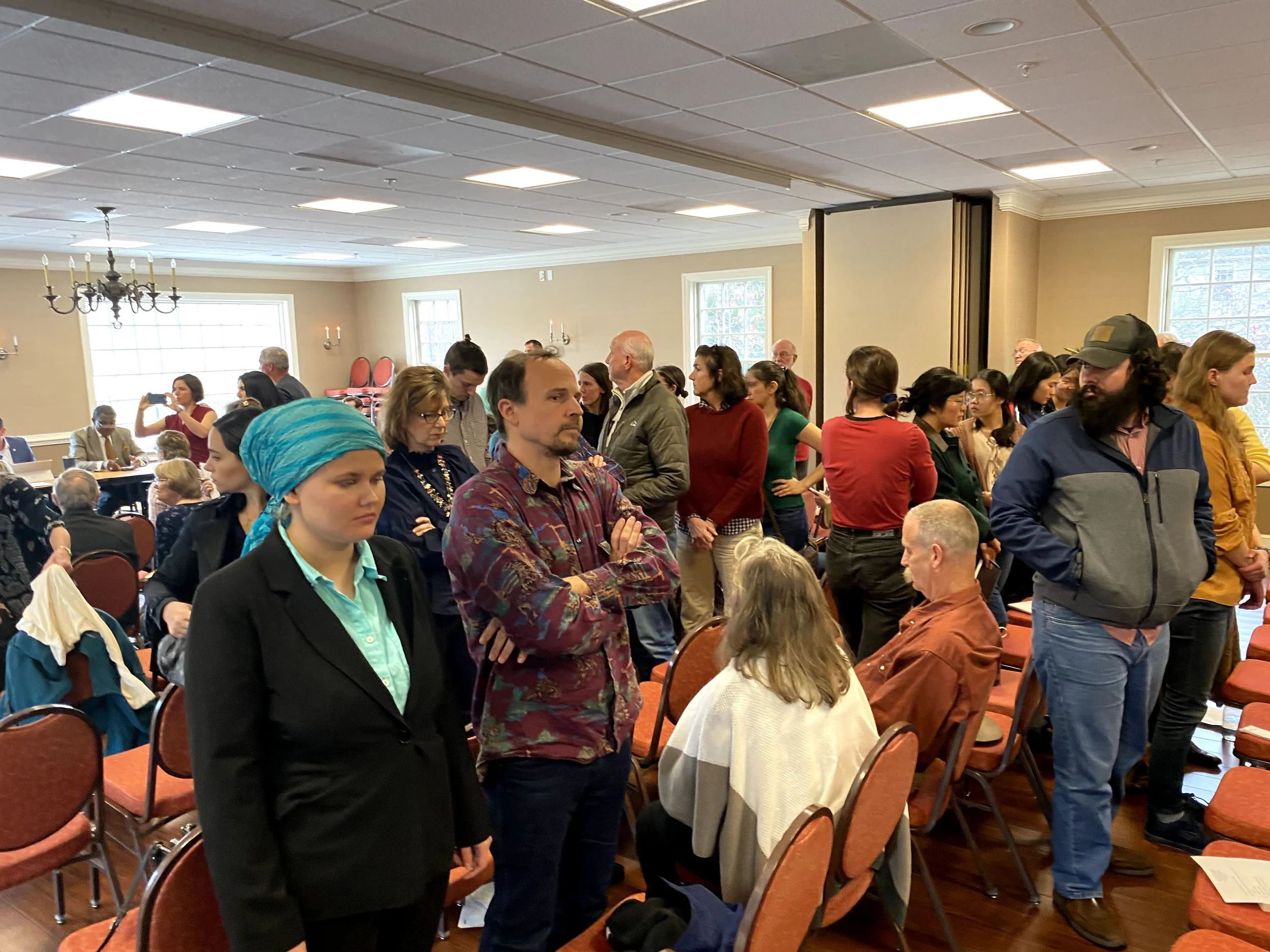
During a public hearing, community members turn their backs on elected officials approving development that would destroy an ancient burial ground. Photo by Greg Werkheiser.
STAY INFORMED
Threats, deadlines, and opportunities to act can change quickly.
Sign up to receive Coalition alerts, regulatory and congressional updates, new resources, and working-group opportunities.